Source organic citrus gluta lightening serum for Face, Neck, and Hands
Compare 30 listings of organic citrus gluta lightening serum from verified manufacturers. Buyers can evaluate features like anti-aging, moisturizing, and whitening effects alongside customizable packaging and MOQ options for face, neck, and hand applications.
Key considerations
Products List


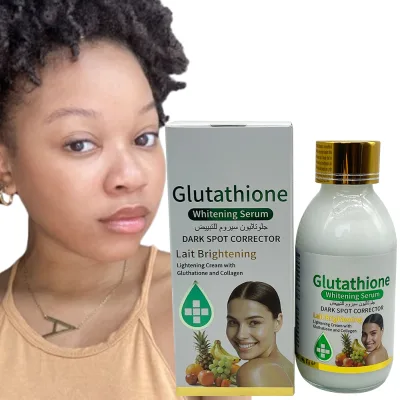
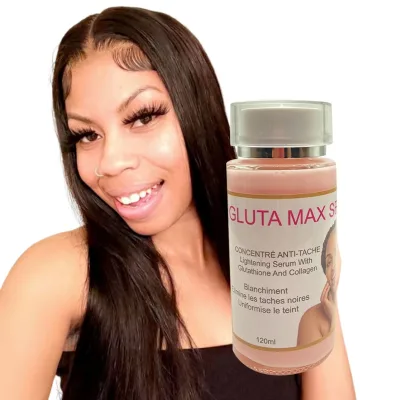
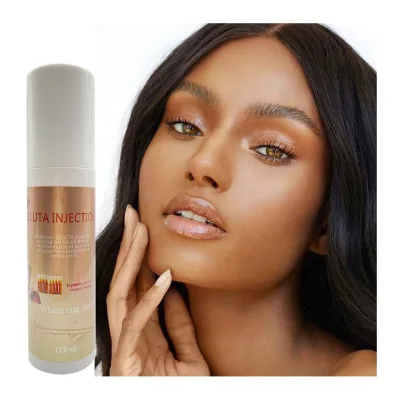
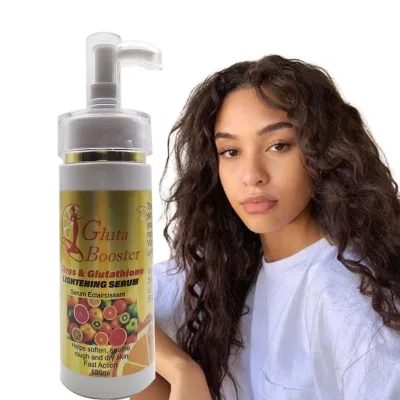
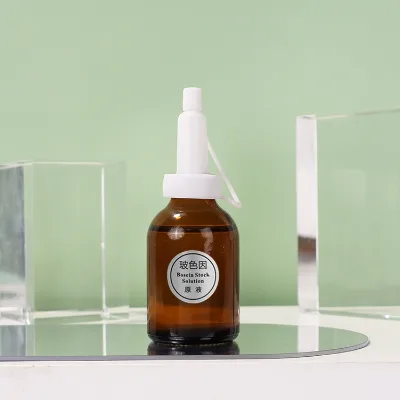

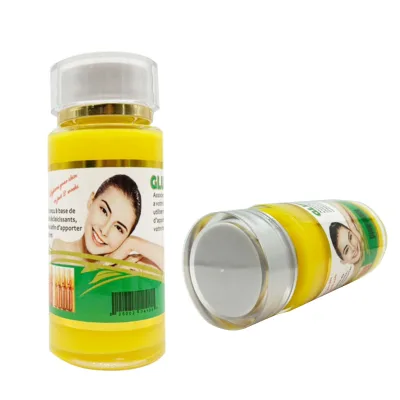
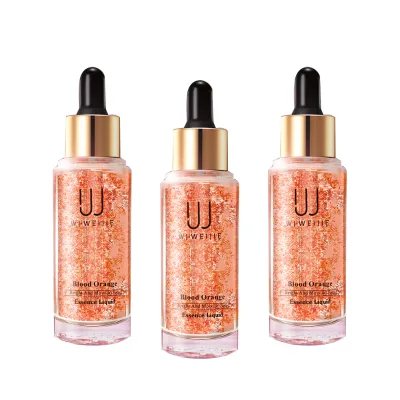


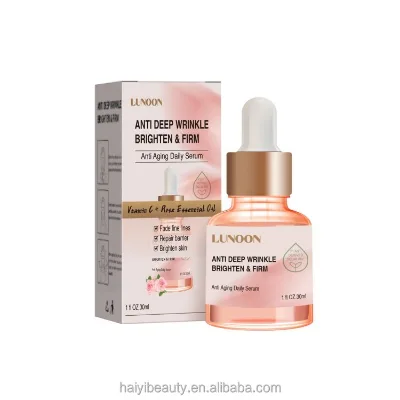


Comprehensive Sourcing Guide
Strategic Sourcing Guide for Organic Citrus Gluta Lightening Serum
Understanding Product Specifications and Formulation Profiles
When sourcing an organic citrus gluta lightening serum, buyers must first distinguish between the broad category of lightening serums and the specific formulation attributes that define the "organic citrus" and "gluta" (glutathione) niche. Based on available market data, the core product category is defined by a liquid form, typically packaged in bottles or boxes with single package dimensions often around 4x5x6 cm. The physical state of the product is consistently liquid, designed for application on the face, body, hands, neck, and nose.
The formulation profile is a critical differentiator. The primary active ingredients observed in this segment include Vitamin C (often associated with citrus extracts), Glutathione, Collagen, and various AHAs (Alpha Hydroxy Acids). Some formulations also incorporate Centella, Witch Hazel, Vitamin E, and Peptides to enhance efficacy. The "organic" claim in the keyword suggests a focus on herbal ingredients and plant-based extracts, which aligns with observed ingredient lists that include Paraben-Free and Cruelty-Free certifications. However, buyers must verify that the specific "organic" designation is supported by the supplier's documentation, as the general category includes a mix of synthetic and natural actives.
The product model numbers observed in the market, such as VC, WS, and AS, often correspond to specific ingredient ratios or target skin concerns. For instance, models emphasizing Vitamin C (VC) may focus on brightening, while others might prioritize anti-aging or firming. The standard packaging sizes vary, with common volumes including 30ml and 40ml, though custom packaging is frequently available. The shelf life for these serums is typically around three years, provided they are stored correctly. Buyers should note that the "organic citrus" aspect is often a marketing descriptor for the Vitamin C content, but the actual concentration and source of the citrus extract must be confirmed through the supplier's technical data sheet.
Compliance, Certification, and Regulatory Standards
Navigating the regulatory landscape is essential for importing lightening serums, particularly those making claims about skin whitening and lightening. The observed product data indicates that suppliers in this category often hold certifications such as CE, GMP (Good Manufacturing Practice), and ISO. Some listings explicitly mention "ISO CE GMP" as a combined standard, while others list them separately. These certifications are critical indicators of the manufacturing environment's hygiene and quality control processes.
The "organic" and "gluta" claims also trigger specific regulatory requirements depending on the destination market. In many regions, glutathione is a regulated ingredient, and its concentration in cosmetic products may be limited. Buyers must verify that the supplier's products comply with the specific regulations of the target country, particularly regarding the "Whitening" and "Lightening" claims, which are heavily scrutinized in markets like the EU and North America. The observed data mentions "Paraben-Free" and "Cruelty-Free" attributes, which are increasingly important for brand positioning but do not automatically equate to regulatory compliance for the active ingredients.
Furthermore, the supply chain origin is predominantly China, with specific mentions of Guangdong as a production hub. This location is a major manufacturing center for cosmetics, but it necessitates rigorous due diligence. Buyers should request the Material Safety Data Sheet (MSDS) for every batch, as the observed data lists MSDS as a standard certification. This document is vital for shipping logistics and safety compliance. Additionally, the "Private Label" nature of many products in this category means that the brand owner is responsible for ensuring the final product meets local labeling laws, even if the manufacturer provides the base formulation.
Cost Drivers and Pricing Dynamics
The pricing structure for organic citrus gluta lightening serums is influenced by several variables, including ingredient quality, packaging customization, and order volume. The observed price range in the market spans from approximately $0.80 to $145.71 USD. This wide disparity reflects the difference between bulk raw materials, private label services, and finished goods with premium packaging or high concentrations of active ingredients.
The Minimum Order Quantity (MOQ) is a significant cost driver. The observed MOQ range is from 1 to 3,000 units. A lower MOQ, such as 10 pieces or even a single unit, is often available for sampling or small private label launches, but the unit cost will be significantly higher. Conversely, orders approaching the 3,000-unit threshold typically benefit from economies of scale, bringing the per-unit cost closer to the lower end of the observed range. Buyers should be aware that the "Available Quantity" for some suppliers is listed as 8,000 units, which may indicate a cap on immediate stock or a production capacity limit that affects lead times and pricing stability.
Customization is another major factor affecting cost. The data confirms that customization is available, including custom packaging, private labeling, and logo application via gold stamping. These value-added services increase the unit price but are essential for building a distinct brand identity. The "Service" category often includes OEM (Original Equipment Manufacturer) and ODM (Original Design Manufacturer) options, allowing buyers to tailor the formula or packaging. However, these customizations often come with higher MOQs and longer lead times. Buyers must balance the desire for unique branding with the budget constraints, understanding that the "10 Years Experience" of a supplier may justify a higher price point due to reduced risk and higher consistency.
Typical Applications and Target Market Segments
The application scope for organic citrus gluta lightening serums is broad, targeting multiple areas of the body. The observed product attributes list the usage areas as Face, Body, Hands, Neck, and Nose. This versatility allows the product to be marketed as a comprehensive skincare solution rather than a single-purpose item. The "Target Area" is frequently described as Face, Body, and Hands, indicating a focus on visible skin concerns across the entire body.
The intended effects are diverse, aligning with the complex needs of modern consumers. The primary features include Anti-Aging, Anti-Wrinkle, Lightening, Whitening, and Moisturizing. Secondary benefits often observed include Dark Circles reduction, Anti-Puffiness, Black Head Removal, Firming, and Acne Treatment. The presence of AHAs and Vitamin C suggests a dual action of exfoliation and brightening, which is particularly effective for treating hyperpigmentation and dull skin. The "Suit for: Daily Skincare" attribute indicates that these serums are formulated for regular use, rather than as a short-term intensive treatment.
The target demographic is predominantly female, as indicated by the "gender" attribute in the product data. However, the "For Home Use" specification suggests that the product is designed for consumer self-application, requiring clear usage instructions and safety guidelines. The "Private Label" nature of the product means that the same formulation can be rebranded for different market segments, from luxury anti-aging lines to affordable daily brightening products. Buyers should consider how the specific combination of features (e.g., "Anti-Puffiness" vs. "Acne Treatment") aligns with their specific target audience's pain points.
Supplier Evaluation and Selection Criteria
Selecting the right supplier requires a multi-faceted evaluation process that goes beyond price and MOQ. The observed data highlights several key attributes that buyers should prioritize. First, the supplier's experience level is a strong indicator of reliability. An "Advantage" of "10 Years Experience" suggests a mature operation with established processes. Buyers should verify this claim by requesting references or case studies of long-term partnerships.
Second, the customization capabilities are crucial for private label buyers. The data confirms that "Custom Packaging" and "Customized Logo" (specifically Gold Stamping) are available. Buyers should assess the supplier's flexibility in handling design changes, material sourcing for packaging, and the minimum quantities required for custom runs. The "Service" offering of OEM and ODM indicates that the supplier can handle both formula modifications and packaging design, which is essential for creating a unique product identity.
Third, logistical capabilities must be evaluated. The observed "Shipment" options include DHL, FEDEX, TNT, UPS, and SEA (Sea freight). This variety suggests the supplier can accommodate different urgency levels and budget constraints. However, buyers should clarify lead times for each shipping method, as the observed data does not provide specific timelines. The "Single Gross Weight" of 0.27 kg per unit is useful for calculating shipping costs, but buyers should confirm if this includes the packaging or just the product.
Finally, the "Available Quantity" of 8,000 units and the "Shelf Life" of 3 years are critical for inventory planning. Buyers should ensure that the supplier can maintain consistent quality over the shelf life and that the production capacity can meet demand spikes. The "Place of Origin" being Guangdong, China, is a common hub, but buyers should verify the specific factory location to ensure it aligns with their compliance and ethical sourcing requirements.
Quality Control and Long-Term Procurement Considerations
Ensuring consistent quality is paramount when sourcing cosmetic serums. The observed certifications (CE, GMP, ISO) provide a baseline for quality management systems, but buyers must implement their own quality control protocols. This includes requesting batch-specific test results for heavy metals, microbial counts, and active ingredient concentrations. The "MSDS" requirement mentioned in the data is a starting point, but it should be supplemented with a Certificate of Analysis (CoA) for each shipment.
Long-term procurement considerations involve building a sustainable supply chain. The "Private Label" nature of the products means that the buyer is the brand owner, and any quality issues will directly impact the brand's reputation. Buyers should establish clear communication channels with the supplier for issue resolution and consider conducting third-party audits of the manufacturing facility. The "Custom Packaging" aspect also introduces a risk of supply chain disruption if the packaging supplier changes; therefore, buyers should ensure the primary supplier has a backup plan for packaging materials.
Additionally, the "Organic" and "Cruelty-Free" claims require ongoing verification. Market trends and regulations regarding these claims are evolving. Buyers should stay informed about changes in the definition of "organic" in their target markets and ensure that the supplier's sourcing practices remain compliant. The "10 Years Experience" of the supplier may offer stability, but it is essential to regularly review the supplier's performance against key performance indicators (KPIs) such as on-time delivery, defect rates, and responsiveness to customization requests.
Comparative Analysis of Product Attributes
To facilitate decision-making, the following table summarizes the key attributes observed in the market for organic citrus gluta lightening serums. This comparison helps buyers identify the specific features that align with their product strategy.
| Attribute Category | Observed Options | Strategic Implication |
|---|---|---|
| Main Ingredients | Vitamin C, Glutathione, Collagen, AHAs, Centella, Witch Hazel, Vitamin E, Peptide | High variability; verify specific concentrations for efficacy claims. |
| Key Features | Anti-Aging, Lightening, Whitening, Moisturizing, Anti-Wrinkle, Firming, Acne Treatment | Broad appeal; select features that match target demographic needs. |
| Packaging | Box, Bottle, Custom Packaging, Gold Stamping Logo | Customization adds cost but enhances brand value; verify MOQ for custom runs. |
| Certifications | CE, GMP, ISO, MSDS, Paraben-Free, Cruelty-Free | Essential for compliance; verify validity and scope of each certification. |
| Volume/Specs | 30ml, 40ml, Liquid Form, Single Package Size 4x5x6 cm | Standard sizes allow for easier logistics; custom sizes require higher MOQ. |
| MOQ Range | 1 to 3,000 Units | Low MOQ for testing; high MOQ for cost efficiency; plan inventory accordingly. |
| Origin | China (Guangdong) | Major manufacturing hub; verify factory location and audit reports. |
| Shelf Life | 3 Years | Standard duration; ensure storage conditions are maintained to preserve efficacy. |
This table serves as a reference point for buyers to compare potential suppliers and ensure that the selected product meets their specific requirements for ingredients, packaging, and compliance. By systematically evaluating these attributes, buyers can mitigate risks and build a robust supply chain for their organic citrus gluta lightening serum line.
FAQs
What certifications do organic citrus gluta lightening serum suppliers hold?
Suppliers typically hold CE, GMP, and ISO certifications for manufacturing quality. Some listings explicitly state ISO CE GMP combined standards. Buyers must verify Material Safety Data Sheets for every batch to ensure compliance with shipping and safety regulations.
Which main ingredients are found in these lightening serums?
Common ingredients include Vitamin C, Glutathione, Collagen, and AHAs. Formulations often add Centella, Witch Hazel, Vitamin E, and Peptides. The organic citrus aspect usually refers to Vitamin C content, though specific concentrations require confirmation from technical data sheets.
How much is the minimum order quantity for private label services?
Minimum order quantities range from 1 to 3000 units depending on the supplier. Some vendors offer samples with an MOQ of 10 pieces, while bulk orders approach the 3000-unit threshold for better pricing. Custom packaging often requires higher minimums than standard stock items.
Can buyers customize the packaging and logo for this serum?
Yes, customization is available for packaging and logos, including gold stamping options. Buyers can choose from box or bottle formats with dimensions around 4x5x6 cm. Customization services like OEM and ODM allow for tailored formulas and branding, though they may affect lead times.
Where are these serums typically manufactured and what is the shelf life?
Products originate primarily from Guangdong, China, a major cosmetic manufacturing hub. The typical shelf life is three years if stored correctly. Buyers should verify specific factory locations to ensure alignment with ethical sourcing and compliance requirements for their target markets.
What are the standard product specifications for volume and form?
Serums are liquid formulations available in standard volumes of 30ml and 40ml. Model numbers like VC, WS, and AS often denote specific ingredient ratios or target skin concerns. Custom packaging sizes are frequently available to meet specific brand requirements beyond these standard dimensions.